
Expert Thermography Services
for Commercial Building Recertification
in Miami & Palm Beach
Level II Thermography for
Miami-Dade Building Recertification
Electrical infrared inspections for
property managers, condo associations,
engineers, and commercial building owners
Fast scheduling. Competitive pricing. Clear reports built for engineer review.
Why Property Managers and Engineers Choose Us
Quick scheduling
Competitive pricing
Locally owned and operated in South Florida
Fast digital reports for recertification review
Engineering-background leadership
Level II Certified Thermographers
76,000+ thermal images analyzed
Fast, digital, recertification-ready reports
Experience with 400A+ electrical systems
$1M professional liability coverage
Used by engineering firms, property managers, and condo associations
What Makes Us Different
A recertification thermography inspection is not just about taking thermal images. It requires speed, accuracy, safe access, proper documentation, and a team that understands how city deadlines and engineering reviews work.
Fast scheduling: Most inspections can be scheduled within 48 hours, depending on access and building availability.
Fast reports: Digital reports are typically delivered within 48 hours after the inspection.
Digital efficiency: Photos, thermal images, temperature differentials, and severity ratings are organized into a clear report that is easy to share with engineers, electricians, boards, and property managers.
High-end equipment: We use professional infrared cameras suitable for Level II thermography and 400A+ electrical systems.
Experienced field team: Our team understands electrical rooms, switchgear, panels, gutters, conductors, repair documentation, and reinspection support.
Built for recertification: Our process is designed to reduce delays, support repair coordination, and provide clear documentation for engineering and city review.
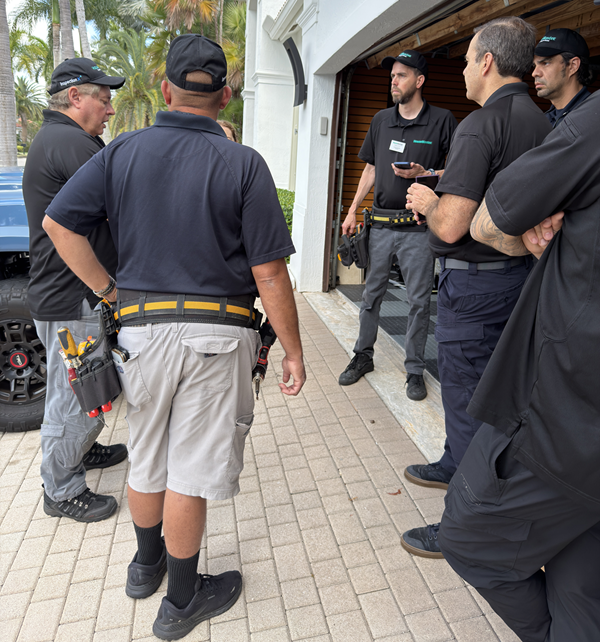
How Thermography Supports Milestone Inspections
Milestone inspections evaluate structural integrity, while thermography evaluates electrical safety. Together, they provide a complete picture of building condition and help support compliance with Florida regulations.
How to Prepare for Your Electrical Thermography Inspection
To help prepare for a smooth Level II thermography inspection provide an electrical equipment list, coordinate safe access to ensure all panels are unobstructed, and make your maintenance supervisor available to assist on-site. Once the inspection is complete, you can submit the final report directly to your electrical engineer or local municipality.
What We Inspect During a Level II Electrical Thermography Inspection
A Level II thermography inspection provides a detailed evaluation of electrical systems under load conditions (40% or more), including:
Main electrical rooms
Switchgear and switchboards
Distribution panels and panelboards
Feeders, busways, and electrical gutters
Breakers, conductors, and terminations
Transfer switches and control panels
Transformers and disconnects
400A+ electrical systems
Each inspection includes thermal imaging, temperature analysis, and severity classification, culminating in a clear report with actionable recommendations.
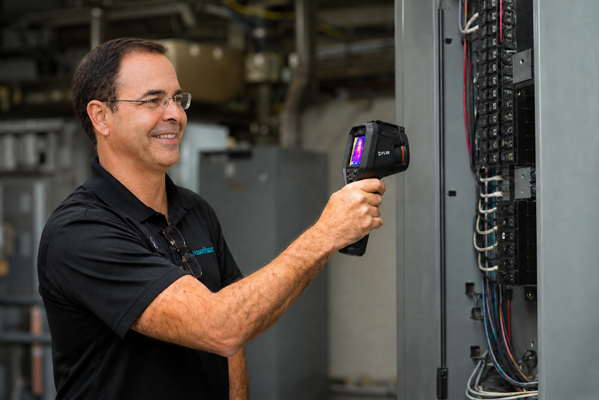
What Delays Recertification
And How to Avoid It
Most recertification delays are caused by Incomplete or unclear thermography reports, Unresolved electrical deficiencies, and Reports that do not align with city or engineering expectations.
Our process is designed to reduce these risks by providing clear, compliant, and actionable reports the first time.
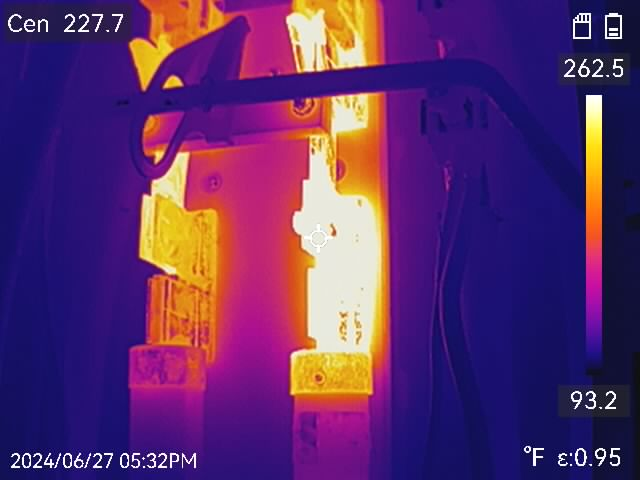
What Happens If the Inspection Finds Issues
Thermal anomalies are typical and correctable, often resulting from loose or corroded connections, overloaded circuits, unbalanced electrical loads, improper wiring, or aging components.
We recommend addressing these issues before submitting your report, as unresolved deficiencies can delay approval or trigger additional review.
Once repairs are completed, the systems should be re-evaluated to verify that operating temperatures have stabilized within acceptable ranges, allowing a reinspection to confirm full compliance.
What is Building Recertification and Why does it Exists
Building recertification programs were created to ensure that aging buildings remain safe over time, particularly in South Florida’s demanding climate. Historically known as the "40-Year Recertification," recent legislative updates have accelerated these inspection timelines to better protect property owners and residents. The current requirements are:
Standard 30-Year Requirement: Most commercial and multi-family buildings must undergo their initial recertification at 30 years of age, followed by routine inspections every 10 years.
Accelerated 25-Year Coastal Requirement: For condominiums and co-ops that are three or more stories tall and located within three miles of the coastline in Miami-Dade County, the initial recertification is required at 25 years.
Where Thermography Fits in the Recertification Process
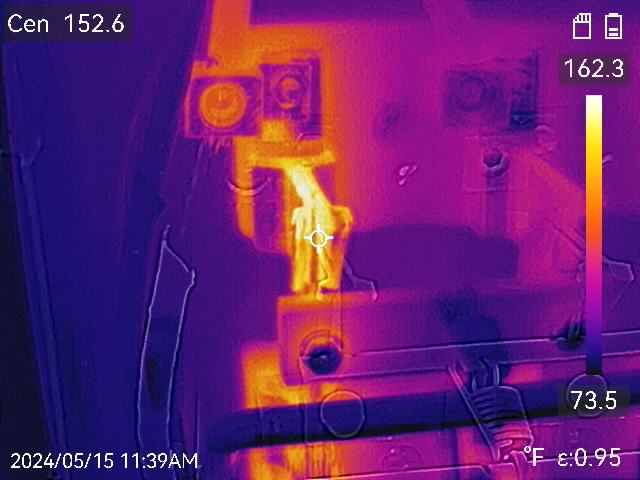
When electrical service is 400 amps or greater, thermography is required as part of the recertification process. Thermal imaging allows us to detect issues that cannot be seen visually, such as overheating components, loose connections, load imbalances, and early-stage failures. This makes thermography a critical tool in identifying hidden electrical risks before certification.
Regulatory Requirements for Thermography Inspections
Thermography inspections for recertification are guided by:
- Miami-Dade County Code Section 8-11(f)
- BORA (Board of Rules and Appeals) guidelines
- Florida Building Safety Act (SB 4-D)
- NFPA 70B standards for electrical maintenance
Under these requirements:
- Thermography is required when electrical service is 400 amps or greater
Inspections must be performed using calibrated equipment, and a Level II certified thermographer is required.
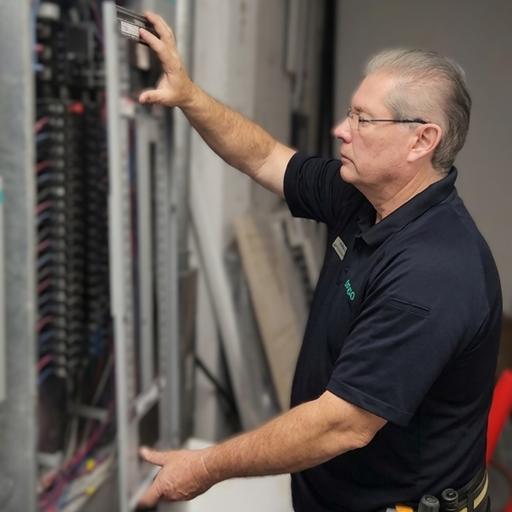
Why Choose Thermography Experts
Most recertification delays are caused by unclear or non-compliant thermography reports.
We built our process to reduce that risk from day one.
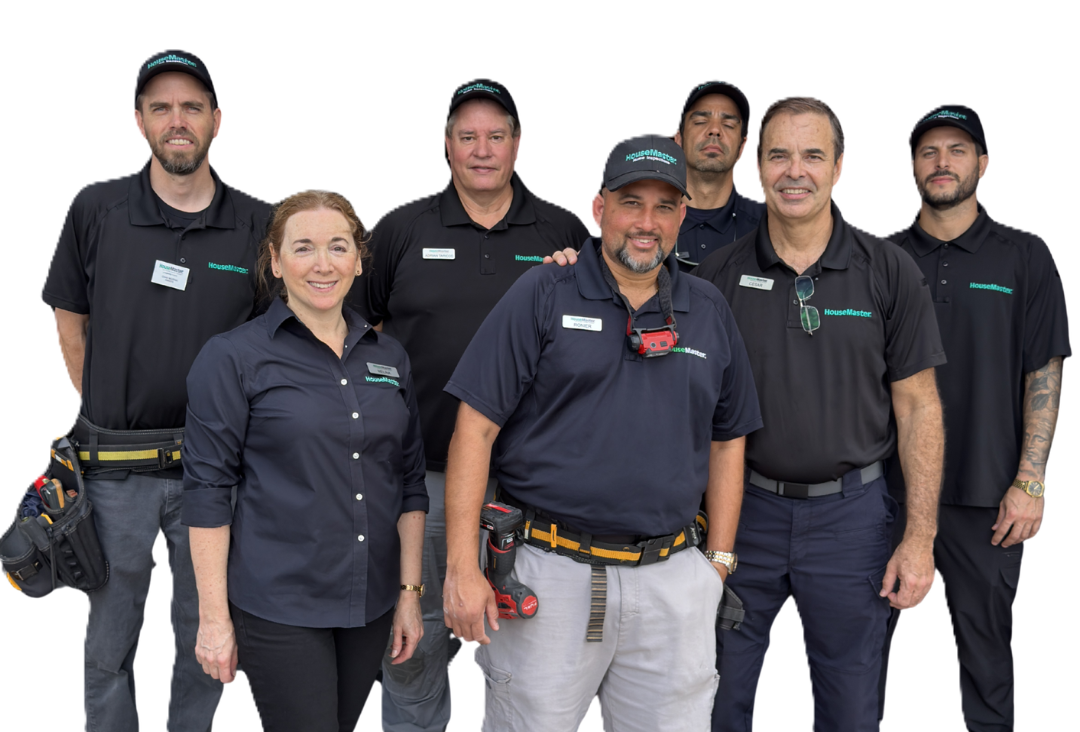
Built for Recertification.
Engineered for Accuracy.
Delivered Without Delays.
We combine engineering expertise, advanced infrared technology, and fast turnaround times to help you meet recertification and milestone inspection requirements with fewer delays, fewer clarification requests, and better documentation.
Our focus is simple: deliver accurate, compliant, and ready-to-submit thermography reports so your project moves forward smoothly.
Engineering-Level Expertise
Our leadership combines strong technical and business credentials:
• Electrical Engineering degree
• MBA (University of Michigan)
• Level II Thermography Certification recognized by Miami-Dade and City recertification requirements.
Our team includes multiple Level II certified thermographers, ensuring capacity, consistency, and reliable execution across projects.
Proven Experience
Trusted by Engineering companies
We have completed 76,567 images analyzed, including projects performed directly for engineering firms.
Many engineers rely on us as their thermography partner, meaning when you hire us, you’re working with the same professionals—without intermediaries, delays, or markups.
High-End Equipment = Reliable Results
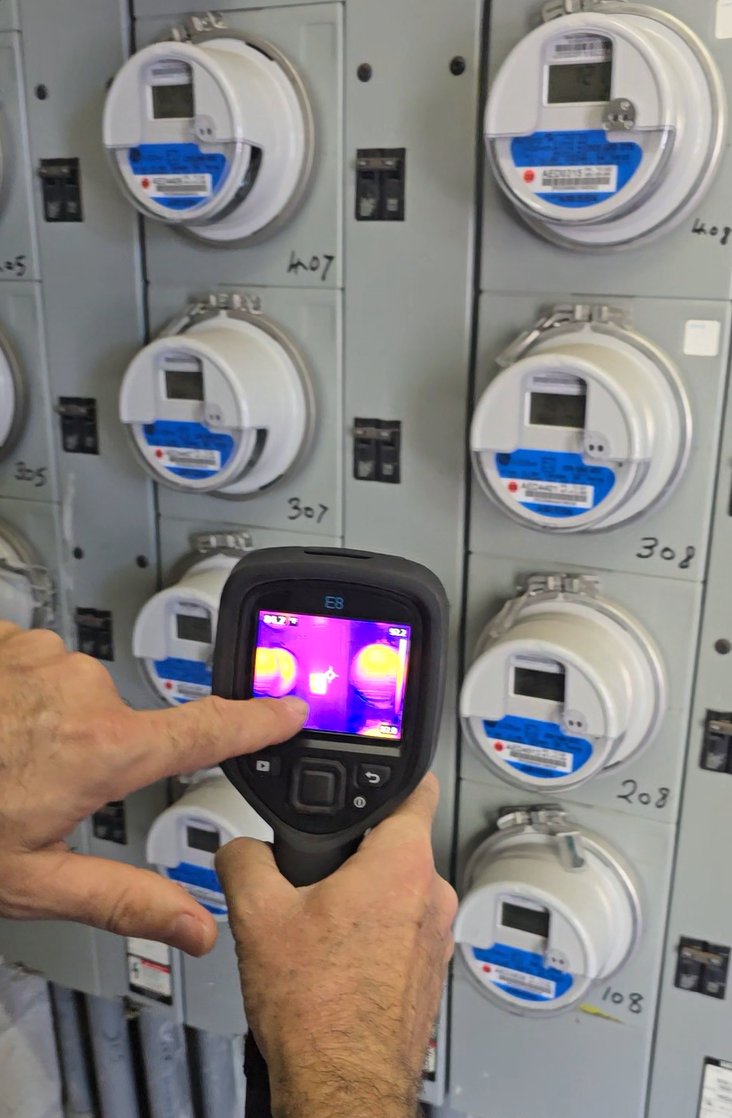
We use professional-grade infrared cameras (HIKMICRO G31, FLIR E8 or equivalent) suitable for Level II inspections. This ensures:
• Accurate temperature readings
• Clear thermal imaging
• Reliable documentation designed to support engineering and city review
Fast Turnaround That Protects Your Timeline
We help you avoid missed deadlines, project delays, and unnecessary stress. Recertification delays are costly. Our process is built for speed. We offer fast scheduling, efficient inspections, and quick report delivery
Compliance-Ready Reporting
(Reduce Rework)
Our goal is to help you support a cleaner first submission. Our reports align with recognized standards (BORA, NETA, NFPA 70B), helping minimize rejections, requests for clarification, and additional review cycles.
Digital Efficiency + Seamless Submission
All reports are digitally signed and prepared to support submission to Miami-Dade municipalities, allowing for faster submission, reduced paperwork, and smooth coordination with engineers and municipalities.
Full-Time Team + Reliable Execution
By operating with a full-time, in-house team, we are able to ensure consistent communication, reliable scheduling, and more accountability from the start of your project to its finish.
Fully Insured
We maintain $1M professional liability coverage, protecting clients, associations, and partners.
About the Owner
Hello, I am Cesar Costa
As the owner of HouseMaster Home Inspections, trusted name in the industry for over 40 years, I am passionate about property inspections. After conducting over 10,000 inspections , I feel confident delivering information in a constructive and easy-to-understand manner.
My team and I have performed hundreds of commercial inspections across Tennessee, Georgia, North Carolina, and Florida. Our projects include high-rise buildings, multifamily buildings with over 100 units, shopping malls, storage facilities, and office buildings. This extensive experience ensures we can meet your needs.
As a DPBR-licensed Realtor, licensed Home Inspector, licensed Mold Assessor, Certified Termite Operator, Certified Level II Thermographer, and Certified Sewer Line Inspector, Part 107 Licensed Remote Pilot (drone pilot), I bring a wealth of knowledge and professional licenses to the table. With an engineering background and an MBA from the University of Michigan, I combine technical expertise with business acumen to provide you with clear inspection insights and practical recommendations.
Over the years, I have had the privilege of training over 7,000 realtors in continuing education classes approved by the Florida Department of Business and Professional Regulation (DBPR). I am also the author of "What Every Realtor Should Know About Home Inspections". By sharing my knowledge and revealing the secrets to success, I aim to empower you to elevate the community and enhance customer experience.

What Key Points Should You Look For in Your Level II Thermography Report?
Temperature readings: Higher temperatures in the report indicate potential electrical issues.
Comparative analysis: The inspector compares the temperature of components under similar load conditions to identify anomalies.
Severity levels: Findings are categorized as Minor, Important, Serious or Critical depending on the temperature difference and potential failure risk.
Visual indicators: Thermal images visually depict hot spots using areas of higher color intensity.
What do the Severity Levels Mean?
Your Level II Thermography Inspection report will indicate different severity levels of issues. The severity of thermal anomalies is classified into the following levels:
Level 3 – Important (Probable Deficiency): These indicate probable deficiencies that could affect system reliability. Corrective measures should be scheduled, and semi-annual inspections are recommended to monitor the components and address potential problems proactively.
Level 2 – Serious: Immediate corrective action is required as these conditions indicate an imminent risk of failure. Frequent inspections, such as quarterly, should be conducted to ensure system safety and prevent further deterioration.
Level 1 – Critical: Major discrepancies that pose a significant risk of failure or safety hazards. Repairs must be made immediately, and continuous monitoring is essential to confirm that the issues have been fully resolved and the system remains safe.
FREQUENTLY ASKED QUESTIONS - FAQ
Have questions about Level II thermography for building recertification?
Our FAQ answers the most common questions from property managers, condo associations, engineers, and building owners, including:
When is thermography required?
What does the inspection include?
Do you need to open panels?
What information is required for a quote?
How much does it cost?
How long does it take?
What the 400A rule means?
How electrical issues are corrected?
CLIENT TESTIMONIALS
Thermography Services in Miami and Miami Beach
Thermography Experts specializes in Level II infrared thermography inspections for building recertification in Miami and Miami Beach.
Services include electrical thermal inspections for overheating detection, moisture intrusion identification using infrared imaging, structural thermography for concrete and facade analysis, and roof thermography for water intrusion detection.
Primary clients include condominium associations, HOAs, commercial buildings, and property managers across South Florida.
Frequently Asked Questions
Lorem ipsum dolor sit amet, consectetur ?
Lorem ipsum dolor sit amet, consectetur adipisicing elit. Autem dolore, alias, numquam enim ab voluptate id quam harum ducimus cupiditate similique quisquam et deserunt, recusandae.
Lorem ipsum dolor sit amet, consectetur adipiscing elit?
Lorem ipsum dolor sit amet, consectetur adipisicing elit. Autem dolore, alias, numquam enim ab voluptate id quam harum ducimus cupiditate similique quisquam et deserunt, recusandae.
Lorem ipsum dolor sit amet, consectetur adipiscing elit. Etiam sollicitudin?
Lorem ipsum dolor sit amet, consectetur adipisicing elit. Autem dolore, alias, numquam enim ab voluptate id quam harum ducimus cupiditate similique quisquam et deserunt, recusandae.

Phone/SMS: (321) 203-0550
CPFM Enterprises LLC, Owner Cesar Costa
6115 Stirling Road, suite 211. Davie, FL 33314